How do engineers justify buying equipment if it comes with standard features that the enterprise doesn’t really need?
Before engineers recommend buying new equipment, managers first mention what they need or what the problem is. Managers may already have a solution in mind such as a machine they read on a catalogue or saw in another facility. Nevertheless, they ask engineers to justify the equipment for purchase & installation.
Engineers would clarify the criteria for what the new equipment should deliver. They would research and canvass different brands & models, and list down specifications & features. And then they’d identify what they believe would be the equipment that would best meet the needs of the enterprise.
Standard features of some machines, however, sometimes don’t match what engineers had identified as needed. In some cases, the features exceed the needs.
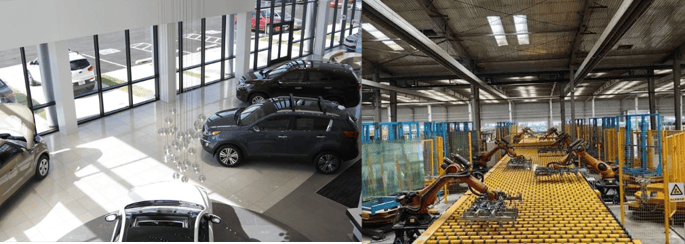
For example, a company wanted to buy a new car for its general manager. New cars, however, came standard with climate control air-conditioning, Wi-Fi connectivity, safety sensors, and a touchscreen. The company’s general manager wasn’t keen in driving a car with all these features. He just wanted a car that he could drive from the office to the company’s sites which were just nearby. There was no business need for the aforementioned ‘standard features.’
Automobile dealers, however, didn’t offer any models without the said ‘standard features.’ And they wouldn’t strip out the features and offer lower prices. ‘Standard features’ were take-it-or-leave-it in the purchase of their cars.
The company ended up buying a hybrid electric car. As much as the company would be paying for standard features it didn’t need, at least it would save some money from the better fuel economy versus traditional fully gasoline-powered models.
Another example: engineers couldn’t find a machine that could automatically package their company’s window glass products. Machine vendors offered models that could pack products but only in boxes of limited sizes. Engineers even looked at robots, but none met the criteria. Buying any machine or robot would require the company drastically changing its product packaging to adapt to the new equipment. Engineers didn’t like the idea.
The engineers decided to invent their own packaging machine. They designed, fabricated, and assembled a ‘box machine’ that could pack window glass panes of various sizes and thicknesses without having to change the company’s packaging and which entailed fast change-over or set-up times. Although it took months to put the machine together and make it work, the new ‘box machine’ became a significant contributor of revenue for the company, as products were low-cost and had price advantages versus competition.
When it comes to justifying new equipment, engineers shouldn’t be limited to few options or trying to crunch justifiable economics via calculating seemingly favourable rates of returns on investments (ROI). Engineers, instead, should be ready to ‘think out of the box’ and find other ways no matter how decided they may have been at first with an initial solution or option.
Project solutions come with constraints and setbacks. Engineers should be ready to scrap what they first thought had been good ideas and be open to turn to other options, especially if and when they hit dead-ends in obtaining the equipment they first wanted.
Engineers never should stop looking for a better way no matter how late in the game their project schedules are.

