We do a lot to foretell the future.
Organizations and individuals invest heavily in analytics and software to know what tomorrow will bring. Some offer great potential as in the case of Google’s investment in artificial intelligence for wind energy.
But just as much as it may be worth it to foretell the future, it may be just as better to anticipate it.
A large multinational company longed for a system that would ensure continuous supply of pineapple products to customers.
The multinational company served customers in its home country as well as from overseas. Demand varied throughout the year and peaked near religious holidays. Customers from abroad would buy in large quantities and would send large-capacity cargo vessels to pick up their orders at the multinational’s processing plant.
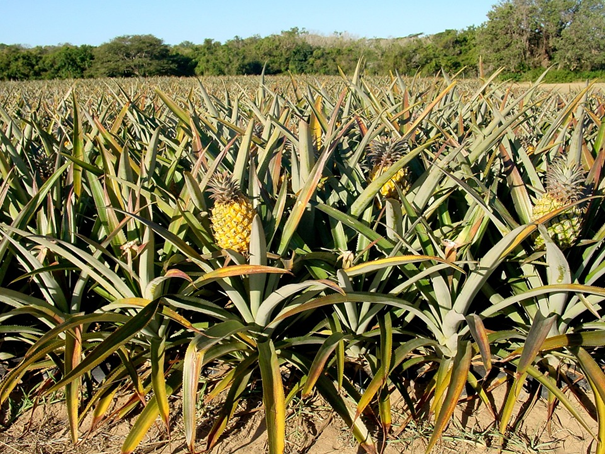
The multinational’s planners not only contended with up-and-down demand but also with uncertain supply. Supply depended on the daily harvests of the company’s nearby sprawling plantation. Although the plantation’s employees harvested from fixed areas of farmland each day, the quantity and quality of pineapples received at the processing plant differed one day to the next. Sometimes the harvest was plentiful; sometimes it was not.
The company invested a great deal in research and development (R&D) to ensure harvests were consistent, if not predictable or manageable. The plantation managers, for example, used chemicals to accelerate ripening to increase harvests when demand was outstripping supply. But no matter what, harvests remained unpredictable. A nice sunny day would result in unexpected high yields of pineapple but a truck stuck in mud would cause a shortfall.
The company’s planners relied on finished product inventories to buffer the uncertainty of demand and supply. But their problem didn’t go away. Some products still went out-of-stock on store shelves and the company at times turned down orders from overseas customers.
The company’s executives overhauled their inventory system. The company’s executives previously had set a single sweeping target inventory level for all of their products. Planners scheduled production against that one inventory level. The results were shortfalls and excesses from item to item. The executives learned that each item had its own identity and behaviour. There was no such thing as an average item.
The company’s executives reset the inventory policies that determined the stock levels for individual items. Canned pineapple juices, for example, would be set at low inventory levels because the processing plant produced them daily. Planners on the other hand would build inventories for exported products to synchronize with the timing of arriving vessels.
Right after new policies were in place, the company registered record sales as supermarket shelves were well-stocked during holidays and orders were completely filled for overseas customers.
Developing inventory policies is a method in anticipation for the future. It’s not expensive though it does require a significant amount of work. But as in the case of the example of the company and its pineapples, it would be well worth the effort.
As much as foretelling the future via investment in cutting-edge technology may offer profitable windfall, anticipating the future through methodical policies may just be as beneficial.
It isn’t sexy but it works.
previously written February 2019
 Ellery's Essays