The planet Earth and its Solar System reside in the Milky Way galaxy, a spiral collection of a 100 to 400 billion stars. Yes, that’s billion, not million, and far more than a thousand or hundred. We can only see only a few thousand of stars in the night sky and only so much more even with the most advanced telescopes available.
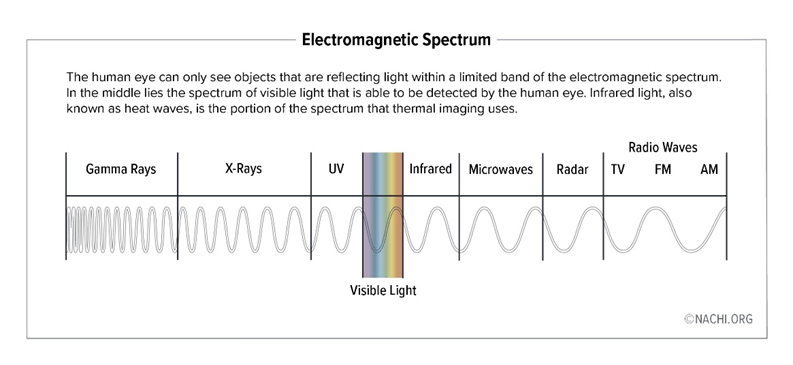
There is also only so much light that is visible. Visible light, as in what enables the human eye to see anything, is a thin sliver of the electromagnetic spectrum. Light in its other forms, from gamma rays, x-rays, and ultraviolet light to infrared, microwave, radar, and television & radio waves are invisible.
Likewise, we hear only what is audible.
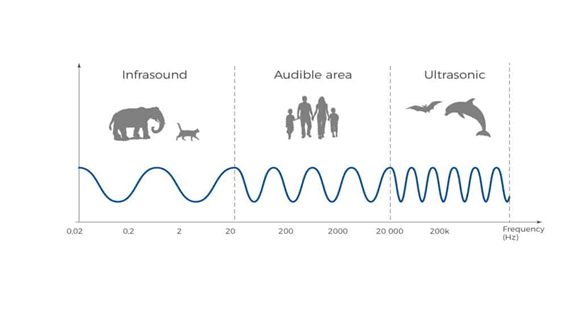
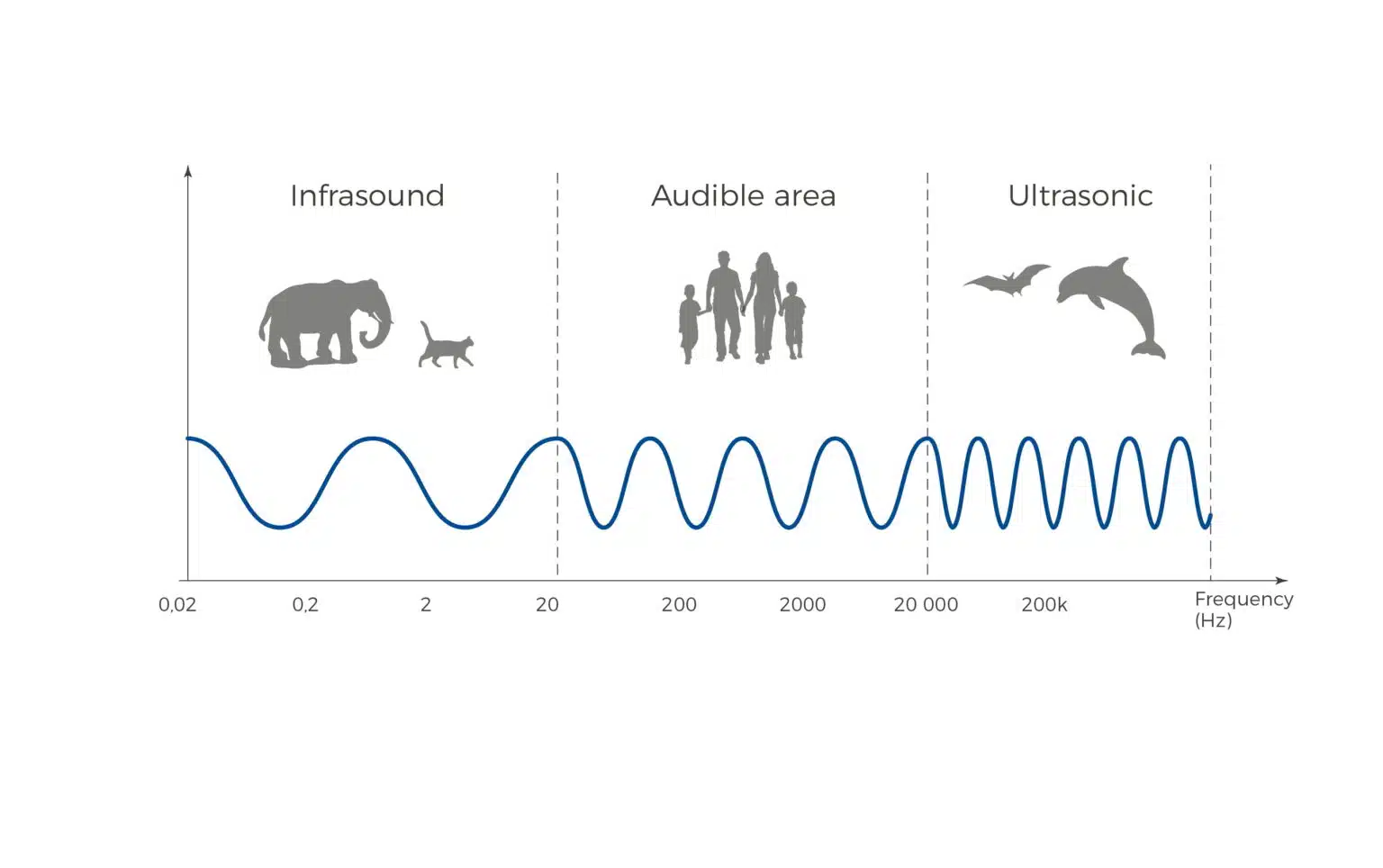
The sound spectrum ranges from the infrasound to the ultrasound, in which in-between is the audible, or what our ears can hear. We cannot hear sound outside the audible range.
Our five senses are limited. We can’t see, hear, smell, taste, or touch all of what are near or far from us.
Hence, we boost our senses with devices such as the telescope, microscope, radar, and sonar. We rely on experiments and instruments to map ocean floors, ascertain the composition of faraway stars, and determine the nature of microorganisms.
It’s interesting that as scientists have made much headway into making the natural world more visible, enterprise organisations have not made similar progress when it comes to their operations, more so with the supply chains they are parts of.
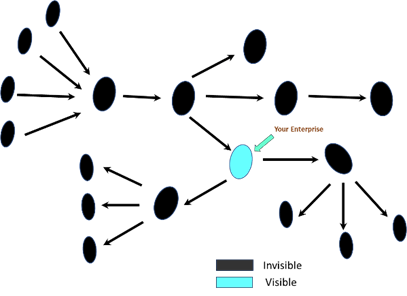
As much as enterprise stakeholders can witness their operations, many have limited up-to-date awareness of what is happening with the merchandise they buy, store, handle, produce, and deliver.
The chairman of a company importing and selling computer printers & supplies, for example, expressed surprise when I presented a flow-map of his logistics operations. “I did not realise how complicated it was to bring in and deliver products,” he said. It was the first time in his thirty-year career that he saw the complexity of his corporation’s supply chain activities.
Many enterprises had not been successful in improving their operational visibilities. Despite the availability and investments in sophisticated information technologies, many organisations had not been able to make their operations visible, at least visible enough to manage or improve them.
 Ellery's Essays