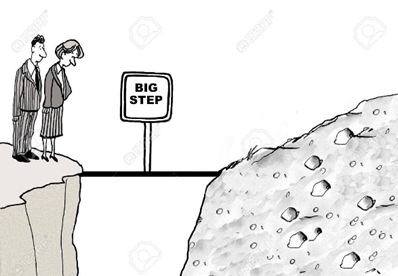
“The journey of a thousand miles begins with a single step.” In building a supply chain, that single first step can be a doozy.
When we construct a home or facility, the first thing we think we of doing is plan. Seek a site. Draft a layout. Determine our budget. Schedule the construction.
But that is not really the first step. We consult real estate agents to find the best place to build. We engage architects to draft the designs. We talk to accountants to budget funds. And we hire contractors for construction. In short, we establish relationships before we build.
The same very much applies for building supply chains.
Before we build supply chains, let alone improve them, we’d need to first acknowledge the relationships that underlie them. These include whom we buy from (vendors, service providers), whom we sell to (customers, clients, consumers), and the functions & departments within our own enterprises (e.g., manufacturing, logistics, purchasing, planning, sales, finance, marketing engineering, quality assurance, human resources).
The contracts we sign with our vendors, the orders we accept from our customers, and the standards & policies we conform together with our enterprise counterparts form the bases of the operating structures & systems of our supply chains.
Because supply chains are multi-tiered, our relationships include not only whom we buy from or sell to directly but also those who our vendors buy from and who our customers trade with. We connect with all individuals & enterprises from where merchandise & services originate, to where they are converted or transformed, to who conveys or transports them, and to who are the final end-users or consumers. Ideally, this includes all parties all along the supply chain, whether big or small, near or far, and within or beyond the borders of our enterprises.
Connecting with our relationships is the first step in building supply chains. We assess our links, recognise the strong & weak ones, and renew our ties, if not make new ones.
It’s not going to be easy. It’s going to be a doozy. But how we connect with our relationships will define our supply chain’s fate.
 Ellery's Essays