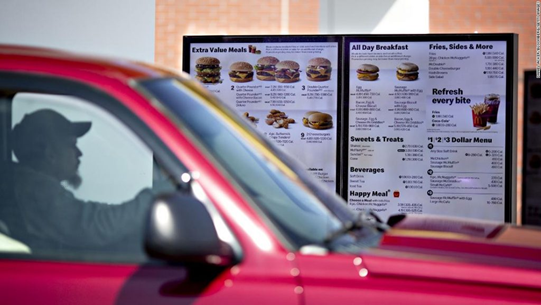
Late one Sunday morning, while driving, I had a craving for an extra-long chicken sandwich from my favourite fast-food restaurant. I stopped by the restaurant’s nearest fast-food drive-thru only to hear the lady’s voice from the box say the sandwich is out of stock.
When calling the hotline of another fast-food restaurant close to 12 noon on another day, the order-taker on the other end of the phone said that the order will take one hour to serve. All the motorcycle delivery people were busy. The same message was repeated at other fast-food places I called.
Fast-food restaurants are famous for being quick whether it be in serving food at the store or when delivering door-to-door. They are infamous, however, for having no stock of one’s favourite item and turning away customers at peak hours. Fast-food companies never seem to have enough food or delivery people to serve customers.
It’s a complicated tangle of not having enough capacity, supply, and delivery capabilities at the right moment.
Fast-food giants release tons of advertising about how good their products are and how convenient it is to order via mobile apps and the web. They continue to set up more branches and attract more customers.
Fast food’s market reach had spread far and wide and had made it an obligation for their commissaries to produce and deliver to more places than they have ever served.
Fast-food chains keep inventories to a bare minimum for the obvious fact that their items have very short shelf lives. Delivering to meet demand versus ensuring little or zero inventories at the end of the day at all locations is a constant challenge for commissary planners.
We can’t really fault commissaries for falling short as demand continues to grow. We can’t blame branches for not being able to deliver as orders outpace their capacities.
But meanwhile, as I resigned that Sunday to not getting the sandwich I want, I just settled to eat lunch at home.
 Ellery's Essays