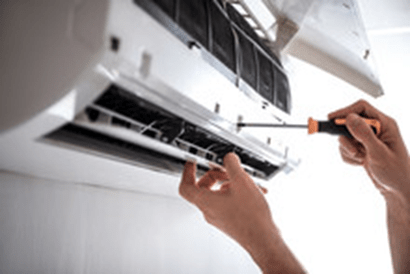
My office air-conditioner broke down. I therefore ordered a new air-conditioner from a reputable dealer. It took two (2) weeks for the dealer to deliver and install the new air-conditioner.
Then the new air-conditioner stopped working three (3) weeks later. It took the dealer another three (3) weeks to schedule an inspection and finally have the unit repaired.
How would one evaluate the service of the dealer?
Unsatisfactory? Downright lousy?
Whenever I followed up the dealer, her customer service representatives would politely mention they were swamped with service requests. There were many customers waiting. All the dealer’s technicians were fully booked for several days.
In other words, if I wanted better service, the dealer would not give it. The dealer had more than enough customers as it is. Accommodating my requests for faster service was out of the question. If I dropped her, she could care less.
Would it help if the dealer did improve her customer service? The dealer would probably say no. The dealer has no incentive to improve her service level because she was getting enough sales from the customer demand. Many of her customers do complain about the slow service but they come back anyway. The dealer wasn’t about to prioritize service improvements as she continued to reap revenues.
If she did hire more technicians, she could perhaps cut her service lead time and accommodate more customers which would increase her sales. But that would mean investing money to hire and train technicians, not to mention buy additional equipment and tools. With revenues already growing from continuous sales in air-conditioners and corresponding services, the dealer would maybe hire new technicians to just match the demand. She would rather not spend more to reduce the customers’ waiting time and providing better service. The extra cost of improving service would not be worth the extra work and there’s the risk that better service may not necessarily translate to more sales.
The dealer’s air-conditioning business is supply-driven, that is, whatever the dealer supplies will be sold. For whatever capacity she has in terms of services, it will translate to sales. Her preoccupation would be to make sure her staff continuously works to deliver orders and do their service calls.
The dealer’s motivation to improve would be in productivity, not service. She would for sure welcome ideas that would enable her staff to install and service more air-conditioners in a day.
It’s a mistake to think that customer service is a number one priority for all businesses. In the real world, it’s not. Any business owner would not put in extra effort for her customers if it does not translate to higher sales or lower costs. In other words, any improvement for customers should be mutually beneficial to the business.
previously published June 2019
 Ellery's Essays
One thought on “Productivity is the Priority, Not Customer Service”