When it comes to solving urgent problems, I use whatever information is already available. I don’t spend any more of my valuable time to gather or validate any more data. Time is of the essence. I’d like to remedy any adverse situation as fast as possible.
In some cases, the remedy does the job. But in not a few instances, they don’t. The problems re-emerge and some return more seriously than before.
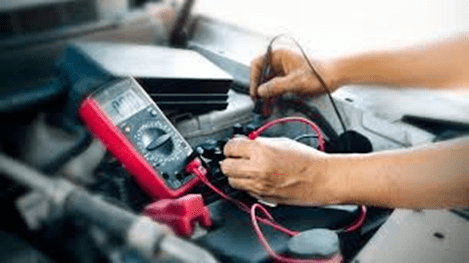
My company’s sixteen (16) year old Toyota Fortuner SUV stalled one day on the road. The driver said it was likely the alternator had failed. The road-assistance technician who brought a new battery agreed after he tested the newly installed battery. The driver and technician suggested I ask a mechanic to repair the alternator.
I decided to stick with the new battery. The Toyota SUV broke down again the next evening again on the road. Fortunately, a roadside assistance team lent me a service battery to enable the driver to bring the SUV back home. The next day, I called the mechanic and he said not only was the alternator in need of repair but also the radiator’s water pump was nearing breakdown. I had the mechanic repair all of these and by next day, there were no more problems with the Toyota Fortuner.
Because I doubted the fact that the Toyota Fortuner’s alternator was not charging the battery, I lost more time and a little more money in repairs. It could have been worse. Were it not for the roadside assistance team’s willingness to lend a battery, the Toyota Fortuner would likely have been towed at greater expense.
A fact is information based on a real occurrence.
We tend to mix up fact with truth. Facts are based on observations. Truth is based on inferences, conclusions we make from facts.
For example:
Fact: the thermometer reads 32º Centigrade.
Inference: It’s hot.
Fact: Your dashboard camera shows a vehicle bumping your car’s rear end.
Inference: Somebody just hit my car and it’s the other vehicle’s fault.
Fact: The new battery of my Toyota Fortuner shows no increase in electric charging from the alternator
Inference: The alternator isn’t working.
Inferences are what you see a lot in social media. People who post their inferences would declare them as truths. Commentators would agree or disagree, which would then lead to debates.
Some people end up doubting the inferences and questioning the facts. The trouble is, however, that often, we don’t read too many facts in social media posts. What we see instead are posts claiming to show facts when they are nothing more than inferences.
There are calls to regulate social media because some groups of people believe there is a proliferation of disinformation.
But what do they mean by disinformation? Is it the lack of or the twisting (falsifying) of facts? Is it about inferences not seemingly based on facts? Or is it that the opinions of some people incite vehement disagreement thereby leading to conflict?
The Internet connects people to abundant sources of information. Individuals can access data and harvest facts from the worldwide web. Individuals, however, draw conclusions from whatever data or facts they deem as enough to do so. People choose facts which would support their cases. Critics bring up facts which would contradict those cases. In many instances, individuals don’t bring out all the facts to infer what may really be closer to the truth.
An environmental activist may cite warming temperatures as bases for global warming. But a resident shivering from winter cold may doubt the activist’s claims. How could there be global warming when it’s cold where I am?
Both the activist and the resident should ideally lay out all the facts, distil them via analyses, before inferring whether there is global warming or not.
The trouble is many of us don’t do that. We choose what we want to see or hear and doubt whatever doesn’t agree with our beliefs.
And I am just as guilty for doubting facts and jumping to my own conclusions based on my beliefs or just plain stubbornness. And I paid for it with a near-miss disaster with my company’s Toyota Fortuner.

