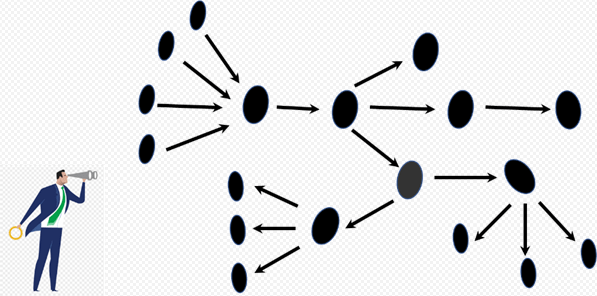
Supply Chain Visibility is the ability to observe the activities and movement of merchandise from their sources to their final destinations. When it comes to setting up a system of visibility, two features must be present: monitoring and measurement.
The first is monitoring in which its effectiveness depends on the abilities to sense, detect, and track.
‘Sense’ is about being aware of the status or conditions of items, resources, and activities. It should encompass most, if not all, supply chain operations, at least those that directly add value to merchandise and services.
‘Detect’ is the identification of items or activities. As the monitoring system seeks via its senses, it discovers, distinguishes, and identifies items of interest.
‘Track’ is the homing in and following of items or activities, and the anticipation of where they may be headed.
Effective monitoring depends on these three features working. It can’t be one or two in the absence of another. One cannot monitor quality, for example, if the system watches production but does not detect defects.
The second feature, measurement, is about determining useful information from the data gathered from monitoring. It’s not enough that supply chain engineers set up a system to merely sense, detect, and track; the system must also be able to organise, compute, and present data in an informative manner which supply chain stakeholders would appreciate and act on.
In short: monitoring delivers data; measurement delivers information.
 Ellery's Essays