A commodity trader at a food company observed that prices of coconut oil, an ingredient in most of the company’s products, was forecast to trend higher. He, therefore, ordered more than two (2) months’ supply of coconut oil, buying from several vendors who offered the lowest prices.
When the coconut oil price indeed increased days later, he boasted to his boss that he saved the company hundreds of thousands of dollars.
The company fired the commodity trader. The boss told the trader that he violated policy, which was the company does not speculate in the buying of ingredients. The company buys based on the demand of its products, not based on the prices of commodities.
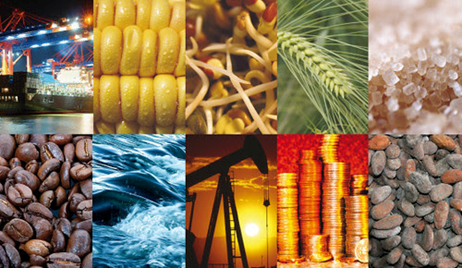
The profession of commodities trading is about buying and selling items that are considered indistinguishable from wherever they are from. Agricultural items like seeds & oils (e.g., soybeans, palm, coconut) and metals (e.g., gold, silver, nickel, iron) are examples.
Commodities traders either work independently or work for companies who seek and buy ingredients or raw materials for their products. Their aim is simply to buy items at the cheapest price and profit from them whether they sell them to other buyers or they are converted and sold as finished products.
Companies like the food company do not like to speculate with commodities, even though many traders do it. The rationale is speculation is a two-way street: sometimes one wins big; sometimes one loses a lot. Prices may look like they’re increasing but then they fall, bringing about losses. But the prices may also go down and traders would save money for their companies who buy based on demand.
Supply chain managers also frown on commodities speculation. Delaying purchases may save money by prospective lower prices but could cause shortages downstream to the manufacturing departments who need them and result in unavailable products for customers. Buying more before price increases could build inventories beyond storage capacities or risk obsolescence or degradation over time. Supply chain managers don’t like out-of-stock or having too much in storage. Supply chain managers prefer steady-stream flow pulled by demand from users. Hence, speculation is a bad word. Buying based on need sounds better.
There are therefore benefits as well as pitfalls in commodities trading. Enterprises learned this the hard way when the CoVID-19 pandemic hit in 2020. Almost overnight, businesses suddenly could not receive inbound raw materials from international sources due to quarantines and lockdowns. Shortages occurred from factory floors to supermarket shelves. During and after the pandemic, some companies relaxed their rules against speculation; some have made it a practice to buy based on seasonal and global current events.
Experienced commodities traders don’t just look at price when it comes to buying and selling items. They look at the big pictures behind the commodities. What’s the harvest of cocoa have been like in Africa? What’s the story of some governments aiming to invest in mining of rare earths in the Pacific Ocean? Has China been dropping prices of steel to reduce inventories?
Supply chain management shares the thinking of wise commodities traders that one should be familiar what’s going on behind the scenes other than being experts in one’s internal operations.
Commodities traders also don’t treat their vendors as adversaries. Rather, they see them as alter egos to negotiate with. Negotiation is the key job of commodities traders and good negotiators aim for the ideal of win-win outcomes. As much as commodities traders don’t form friendships with vendors; they don’t try to make them enemies as well.
Commodities trading is an inherent function in many businesses. There are pitfalls and benefits to the job and there are costs and rewards depending on how we work with them in our supply chains.
 Ellery's Essays